

Home / Blog / Starting to Wear Jewelry as a Man
Starting to Wear Jewelry as a Man: Where to Actually Begin
There's usually a specific moment. A friend's bracelet you kept glancing at across the table. A gift you shoved in a drawer because you didn't know what to do with it. Or just something felt off in the mirror and you couldn't name it. That's enough. That's actually plenty of reason to start.
This is for men genuinely considering it for the first time. Not a list of things you need to own. Not rules invented by someone who doesn't know your wardrobe. Just a clear enough place to start.
Why Most Men Hesitate And Why They're Overthinking It
You know the feeling. You pick something up in a shop, hold it for a second, put it back down. Not because you don't like it because you're not sure if you're supposed to like it. Which is a strange place to be, when you actually stop and think about it.
Men have worn jewelry across basically every major civilisation in recorded history. Egyptian pharaohs, Roman generals, Renaissance merchants who would have found a bare wrist genuinely strange. The idea that it's inherently not for men is a narrow and pretty recent blip not some ancient truth that finally caught up with us. And yet. The hesitation stuck around even after the logic behind it stopped applying.
What's changed is that wearing it now carries basically no social weight either way. No status to signal, no rank to display, no real statement being made which is either liberating or slightly anticlimactic depending on how you look at it. Just a piece that fits your life, worn because you want to.
The only real question is whether it belongs in your wardrobe. That's a solvable problem.
-
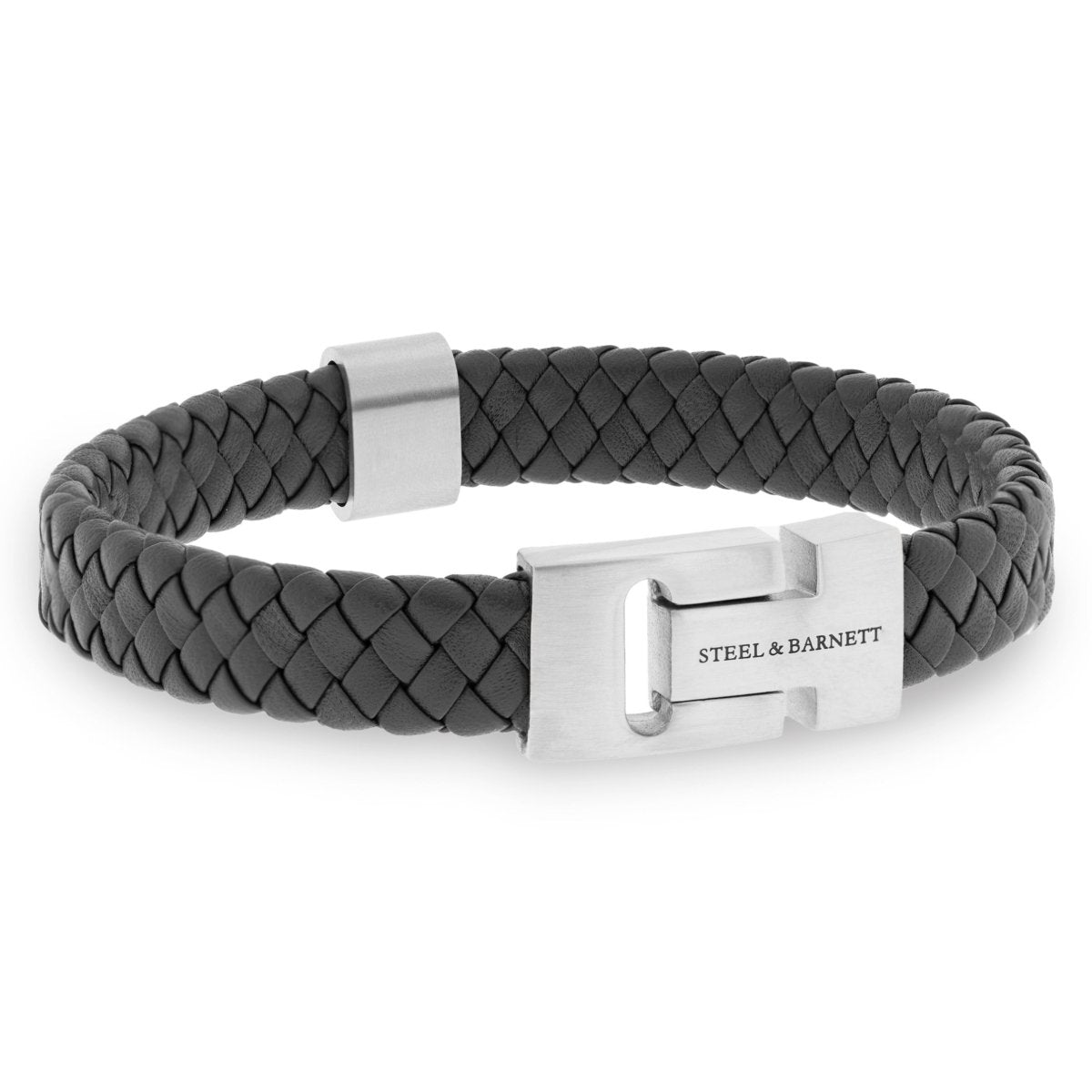
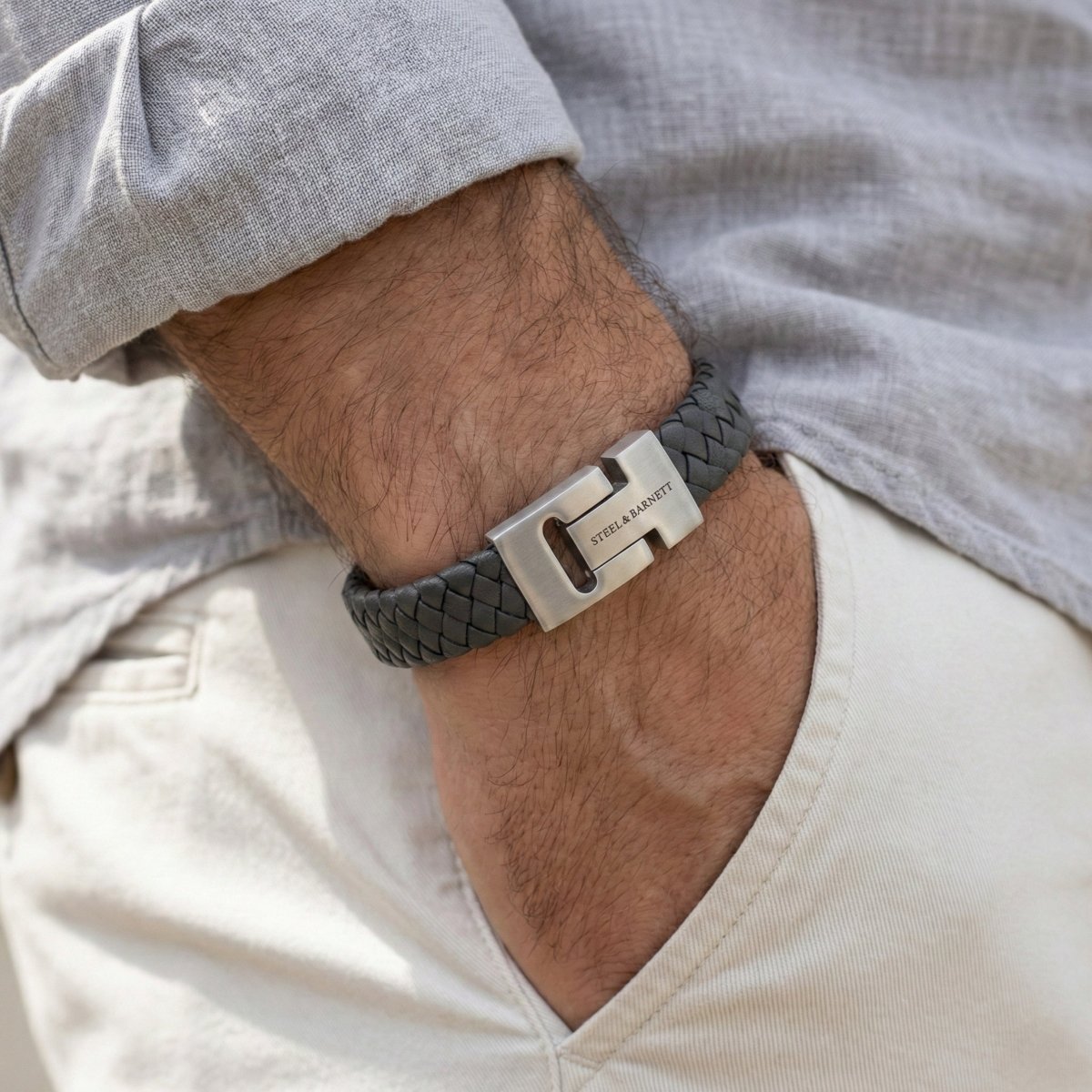
Thick Braided Dark Gray Leather Bracelet For Men
SaleThick Braided Dark Gray Leather Bracelet For Men


 View productRegular price $50.00Regular priceUnit price per
$100.00Sale price $50.00Sale -
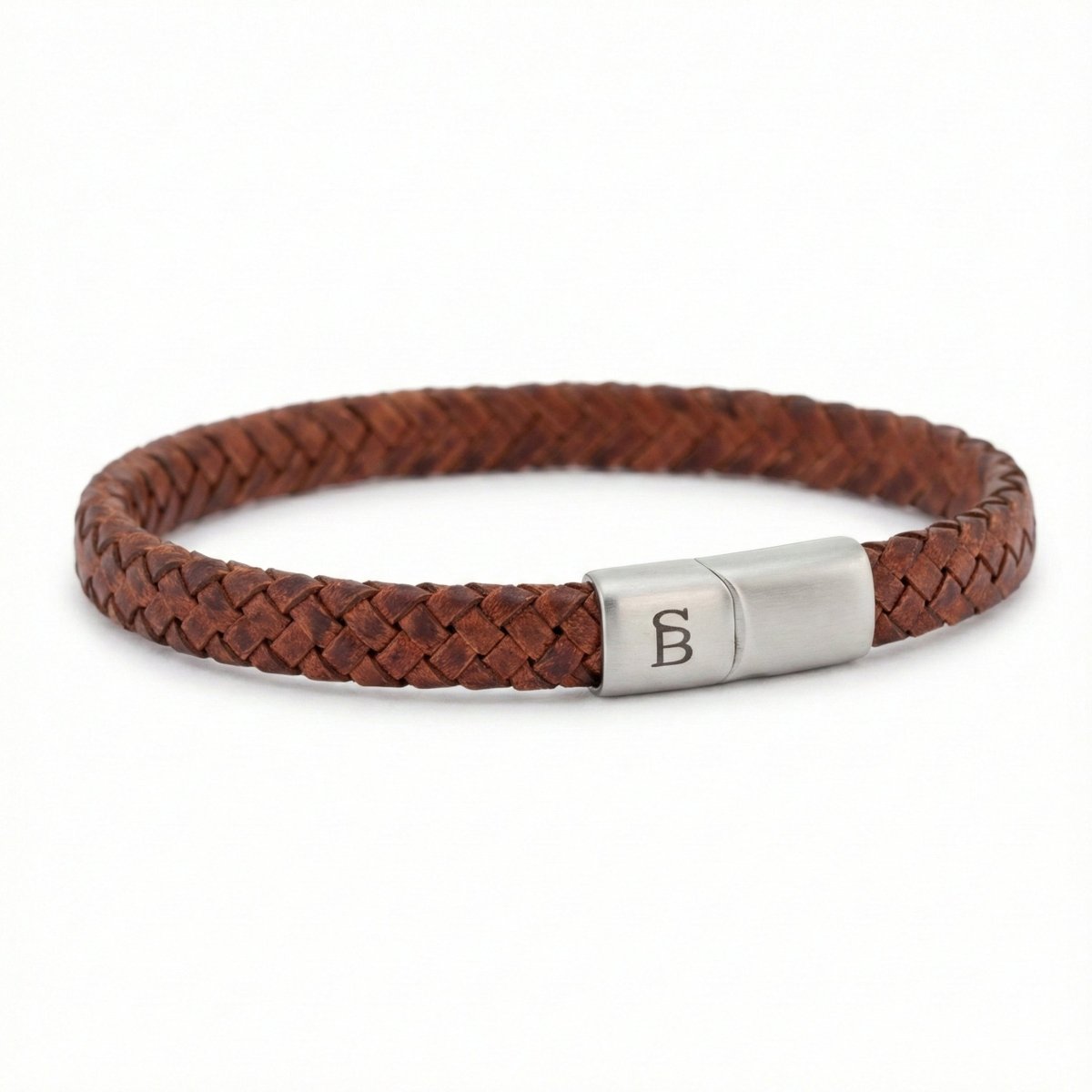
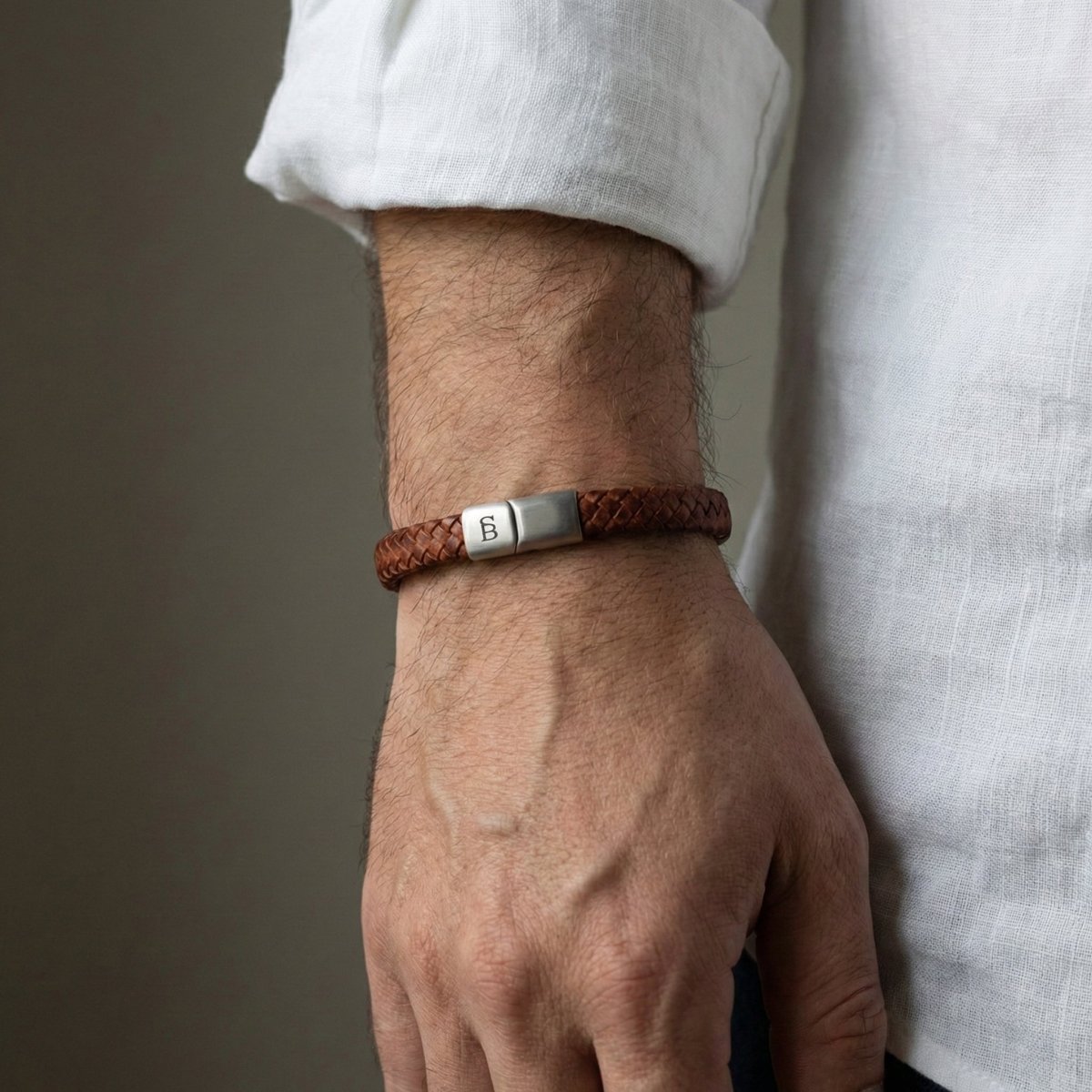
Caramel Leather Braided Bracelet For Men
Caramel Leather Braided Bracelet For Men
View productRegular price $80.00Regular priceUnit price per -
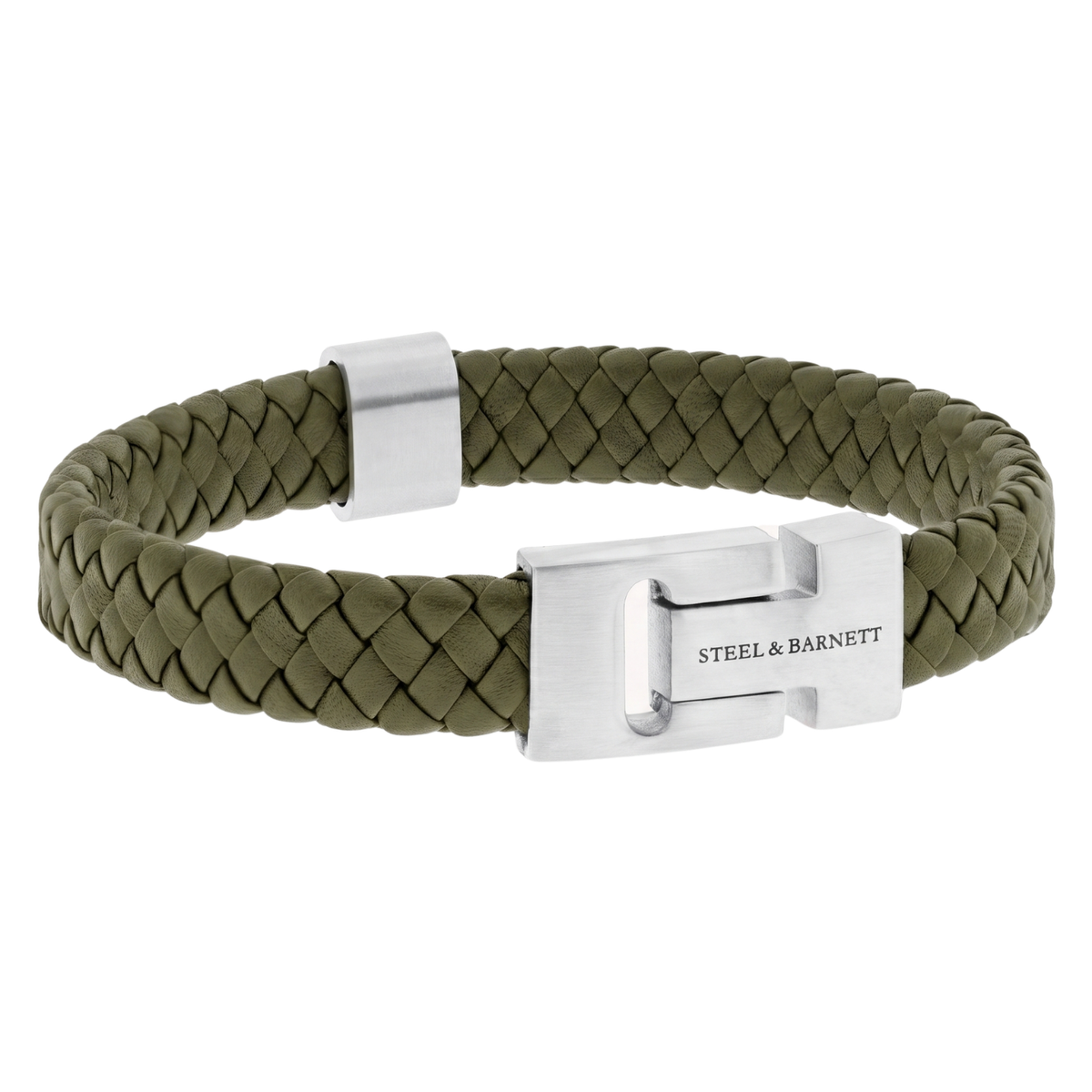
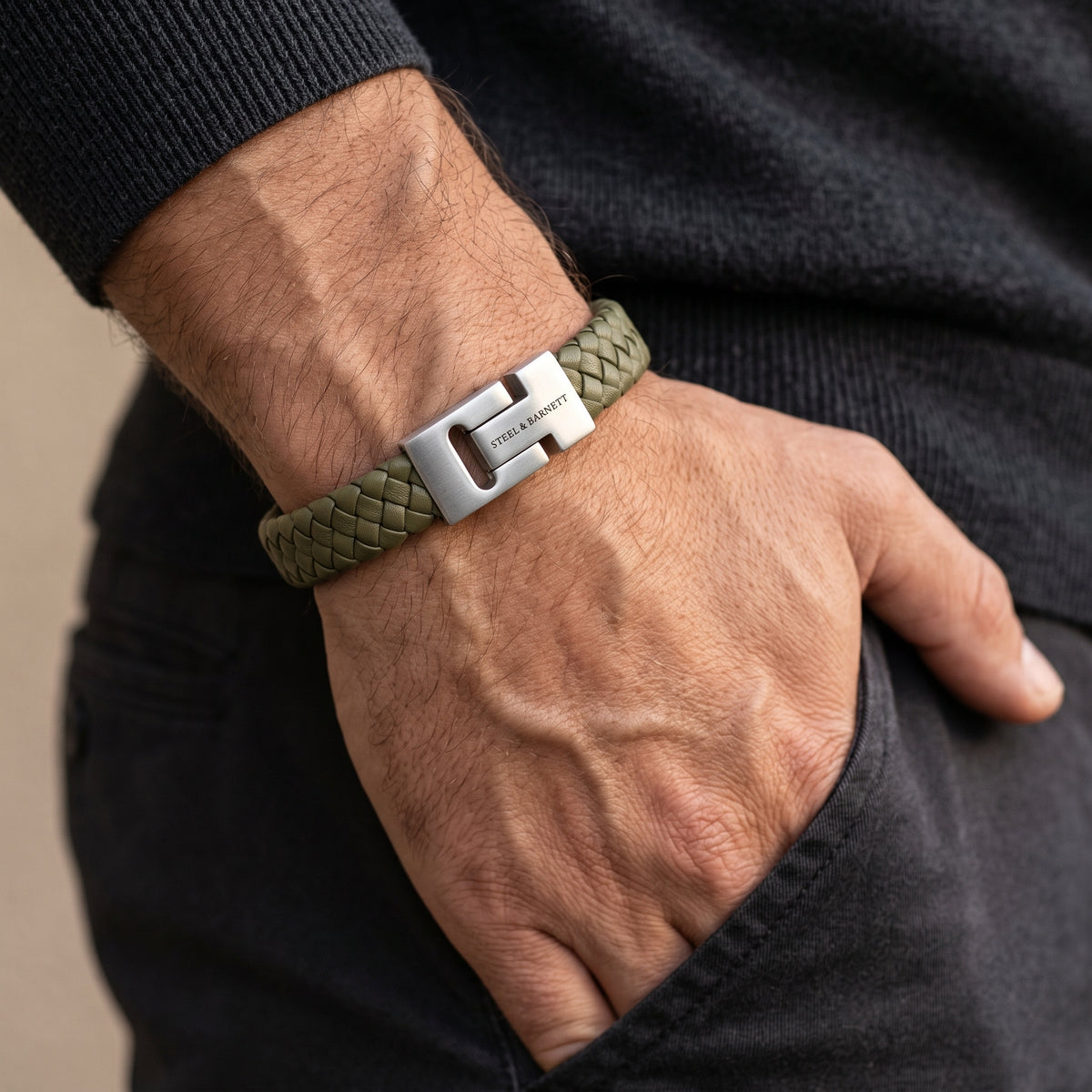
Thick Braided Olive Green Leather Bracelet For Men
Thick Braided Olive Green Leather Bracelet For Men
 View productRegular price $100.00Regular priceUnit price per
 -
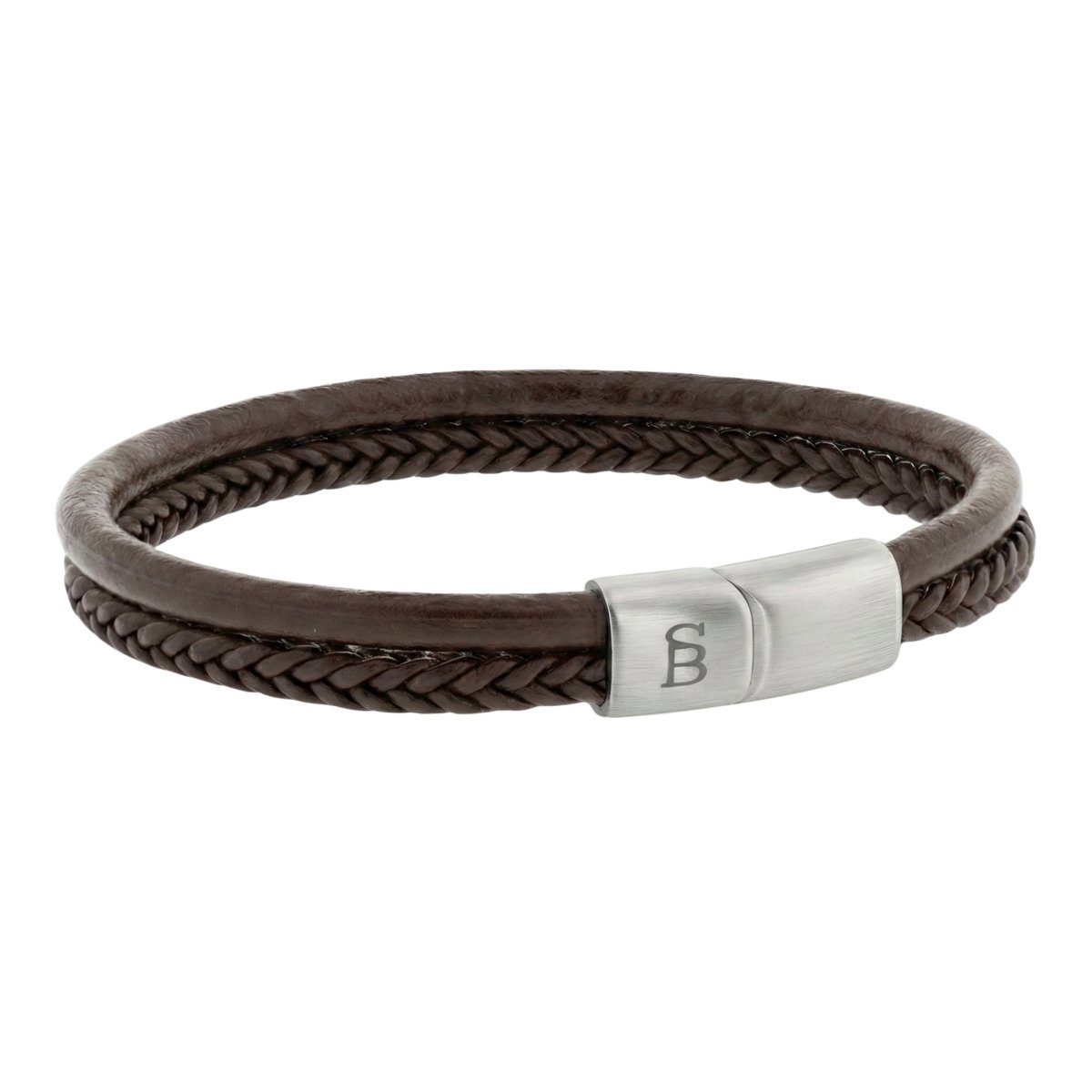

Men’s Dual-Band Brown Leather Bracelet
Men’s Dual-Band Brown Leather Bracelet
View productRegular price $80.00Regular priceUnit price per


Where to Actually Start
For most men, a bracelet is the right entry point. Sits at the wrist, away from the face, fits into almost any outfit without requiring you to rethink how you dress. You put it on, walk out, see what happens over a few days. There's a version of this where you forget you're wearing it by day three, and that's actually the sign you got it right.
The hardest part for most first-timers isn't wearing jewelry. It's the choosing. What goes with what? What fits the wardrobe? How much is too much? Those are real questions, and a bracelet set is the most practical answer to all of them at once. The pieces are already matched in material and tone, so there's no guesswork. Wear them for a week and you'll learn more about what works for you than you would trying to reason your way there from a single piece.
Before you choose, open your wardrobe. Earth tones, black, navy? Leather on a jacket, metal hardware on your shoes? What you already wear tells you which direction to go. Our sets come in leather, stainless steel, and beaded, so there's always one that connects to what you already have.
Shop bracelet setsIf you already wear a watch, a bracelet on the opposite wrist is the most natural way to begin. If you'd rather keep things to one wrist, go slim — something that doesn't crowd the watch.
How to Choose Your Material
Men's jewelry works best when the material connects to something already in your wardrobe. Three materials dominate the category, each with a different character.
Warm & versatile
Leather
Moves between casual and semi-formal without friction. Develops real character with wear. Works with earth tones, navy, black — most things that aren't built around polished formality.
Best choice if you already wear leather in your outfit.
Shop leather bracelets →Clean & effortless
Stainless Steel
Doesn't tarnish, doesn't react to water or sweat. Works across casual to formal. Reads as considered without trying too hard.
Smartest choice for professional settings.
Shop steel bracelets →Relaxed & textured
Beaded & Stone
Adds texture without shine or weight. Casual dressing, travel, weekends. Worth knowing they don't always carry into professional environments.
Best choice if your daily look already leans that way.
Shop beaded bracelets →On metal tones
Silver-toned metals coordinate with nearly anything. Gold tones are warmer and pair better with earth tones and richer colours. Stick to one tone, especially starting out. Consistency tends to look more deliberate than a mix.

The Rules Worth Keeping
Most style rules about men's jewelry exist to make you feel like you need more guidance than you actually do. That said, a few things hold up.
One metal tone at a time.
Silver and gold don't naturally sit well together. Staying inside one family keeps things simpler. Matching the metal tone to your existing hardware — belt buckle, watch case, jacket zip — is probably the more useful way to think about it day-to-day.
Proportion matters.
A larger build can carry bigger, heavier pieces. A slimmer build works better with slimmer, lighter ones. The rule breaks at the edges, but it's a decent starting assumption.
Less is more, especially starting out.
One piece worn with intention reads as considered. Several pieces without a clear sense of why they're all there reads as noise — regardless of what each one cost.
Wear it every day for a week before deciding anything.
The first couple of days you'll notice it constantly — on your wrist, on the desk, catching light from the window. By day four you won't. That's when you actually know.