

Can You Wear Stainless Steel Jewelry in the Sea or Pool?
Short answer: yes. Stainless steel handles chlorine, salt water and sun better than pretty much anything else in your jewelry box.
Why Stainless Steel Holds Up in Water
Most quality men's jewelry, ours included, uses surgical-grade 316L stainless steel. It has a high chromium content, and chromium reacts with oxygen to form a thin, invisible layer called chromium oxide, and that's the part actually doing the work. Scratch it and it reforms on its own.
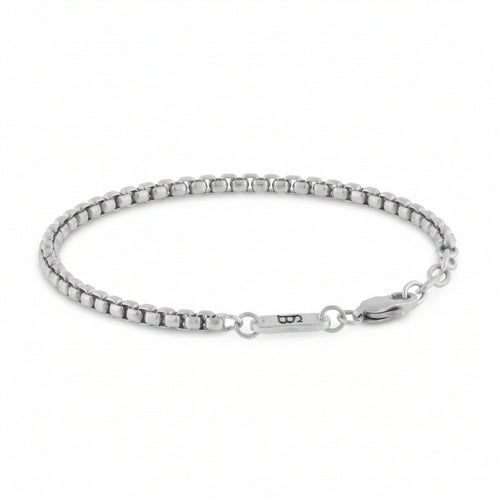
This is a big part of why 316L ends up in surgical implants and marine hardware. Our stainless steel bracelets are all made from 316L.
Pool Water vs. Ocean Water, Different Risks
Different fights, really. Chlorine is chemical, usually at a low concentration, there to kill bacteria, and months of repeated exposure can dull the shine on any metal. Salt is a different kind of exposure. Under prolonged or less favorable conditions, chlorides can work at weak points in that protective layer rather than simply wearing the surface down.
A single swim won't touch a 316L piece, and under normal wear you're not going to run into trouble. The one real risk is pitting: if the chromium oxide layer gets damaged and stays wet in a salty, oxygen-starved spot for a long stretch, corrosion can start there. Uncommon, and a normal rinse-and-dry habit keeps the risk low.
What About Gold-Plated Stainless Steel?
Gold-plated stainless steel is fine for swimming, beach days, and normal water exposure, same as solid steel. Ours uses an 18K PVD coating, bonded to the steel at a microscopic level rather than simply plated on top, which is a different and more durable process than older gold plating.
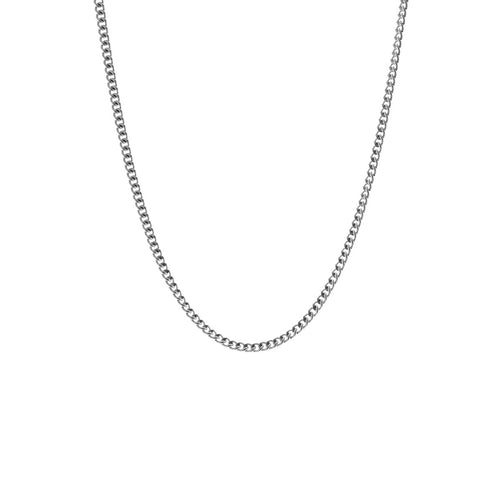
The one real difference: sustained, daily exposure, think swimming laps every day for weeks or a week-long dive trip, wears any coating a bit faster than it wears bare steel, PVD included. That's true of plated jewelry in general, not something specific to ours. For the occasional swim or a beach holiday, rinse it after and it'll look the same as the day you got it. See our necklaces collection.
Built for Water: Solid 316L
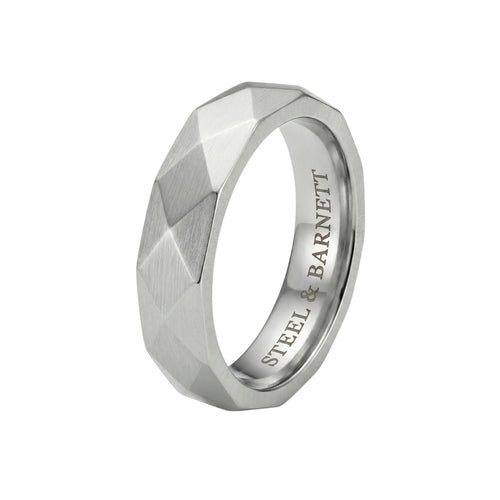
No plating to wear through, just solid stainless steel, ready to get in the water with you.
Frequently Asked Questions
Will stainless steel jewelry rust in the pool or ocean?
Not under normal use. The main risk, pitting from a damaged chromium oxide layer sitting wet in salt, is covered above, and it's rare.
Does chlorine turn steel jewelry green or discolor skin?
Genuine 316L shouldn't produce the classic green staining you get from copper-containing metals. If you're seeing it, something else is going on, a residue, another material in the piece, or a coating, and it's worth checking rather than assuming.
Is gold-plated stainless steel safe to wear swimming?
Occasionally, yes. Daily water wear thins the coating faster. Our stainless steel bracelets are solid 316L if you want something built for that.
Should I take my jewelry off before swimming laps every day?
Plated pieces, yes. Solid 316L can stay on, rinse it after.
Built from 316L stainless steel and made for daily wear, in and out of the water.