

Does Stainless Steel Jewelry Rust or Turn Your Skin Green?
No, and no, as long as it's genuine stainless steel. Chromium forms a thin protective layer that blocks rust before it starts, and there's little to no copper in the mix, which is the actual cause of that green mark people blame on "cheap jewelry."
Here's what's really going on, and the one grade detail worth checking before you buy.
Why Stainless Steel Doesn't Rust
Ordinary steel rusts because iron reacts with oxygen and water. Stainless steel contains at least 10.5% chromium. That chromium reacts with oxygen first, beating the iron to the punch, and forms an invisible layer on the surface only a few atoms thick. That layer blocks moisture and air from reaching the iron underneath. Scratch it and it rebuilds itself within hours, given some air exposure. A property of the metal itself, not a coating that wears off. See our 316L stainless steel bracelets
Why It Doesn't Turn Your Skin Green
Green skin isn't rust. It follows one fixed reaction chain:
The same reaction that turns a copper statue green over the years. Brass and bronze are copper alloys, so they're the usual culprits.
Shop Stainless Steel
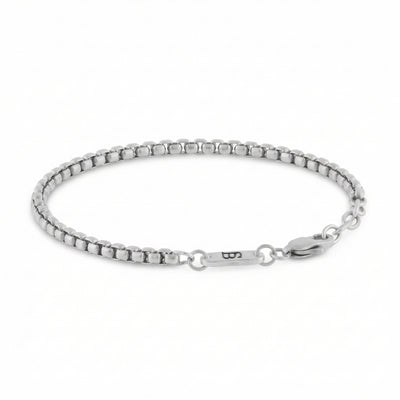
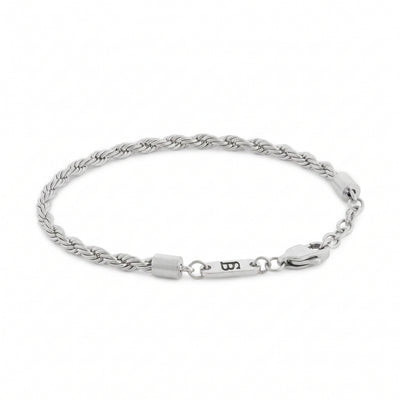
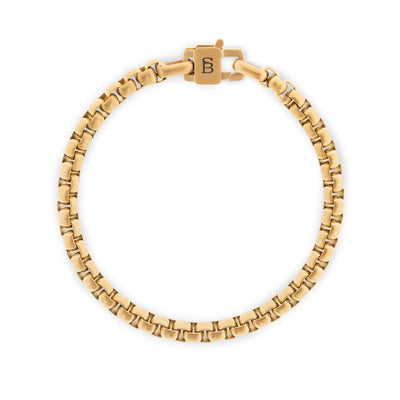
The One Exception Worth Knowing
Not every "stainless" label means the same thing. Lower grades like 201 or 409 use less chromium and more filler metal to cut cost, and in rare cases carry trace copper. Under heavy sweat and humidity, that combination can occasionally cause a faint reaction. Uncommon, and more a grade issue than a stainless steel one. Surgical-grade 316L, what we build with, adds molybdenum on top of the chromium for resistance against sweat, salt air, and daily wear. See our jewelry bestsellers
How to Tell If You're Actually Buying Solid Stainless Steel
Before you buy, three checks take under a minute and tell you more than the listing copy does.
Try a magnet
Genuine 316L and 304 stainless are austenitic, which means they're only weakly magnetic or not magnetic at all. A cheap fridge magnet that snaps on hard suggests a lower grade, like 201 or 409, or a plated base metal underneath. It isn't a perfect test, since cold-worked 316L can pick up a very slight pull, but a strong grab is a real flag. With our stainless steel bracelets, that guesswork isn't necessary, we build exclusively in 316L.
Look for the grade, not just the word "stainless"
Reputable listings name the grade directly, 316L or 304, in the product details. A description that only says "stainless steel" with no number attached is not automatically fake, but it is one less thing you can verify before buying. Our adjustable box link chain bracelet lists "316L" right in the specs, exactly what you want to see there.
Treat an unusually low price as information
Producing genuine 316L costs more than producing 201 or 409, and that cost shows up somewhere. A stainless steel chain bracelet priced well below the category average is more likely built from a cheaper grade or a plated base metal than from a mistake in your favor. On our bestsellers, you're paying for the grade, not gambling on it.
None of these checks is proof on its own. Together, they catch most of what a listing photo can't show you. Once you've bought, keep it looking sharp with our cleaning guide.
Keeping It Looking New
Steel doesn't ask for much. A quick clean with mild soap and warm water every few weeks keeps oils and product buildup from dulling the shine. Our full jewelry cleaning guide Taking it off before lotion or cologne isn't strictly necessary with steel. Good habit though, and it keeps the finish sharper for longer.
FAQ
Does stainless steel jewelry rust in the shower?
No. The chromium layer works the same wet or dry.
Why did my old jewelry turn my skin green but my steel piece hasn't?
That older piece was likely brass, bronze, or a copper-based alloy underneath its finish. The green came from copper reacting with sweat.
Is 316L stainless steel better than regular stainless steel?
Yes, for jewelry. 316L adds molybdenum to the standard chromium layer, giving it extra resistance to sweat, salt, and daily skin contact. Same grade used in surgical implants, same reason. See our 316L stainless steel bracelets for pieces built to that standard.
Will gold-plated stainless steel turn my skin green once the plating wears?
No. The base metal underneath is steel, not copper.